Bagasse
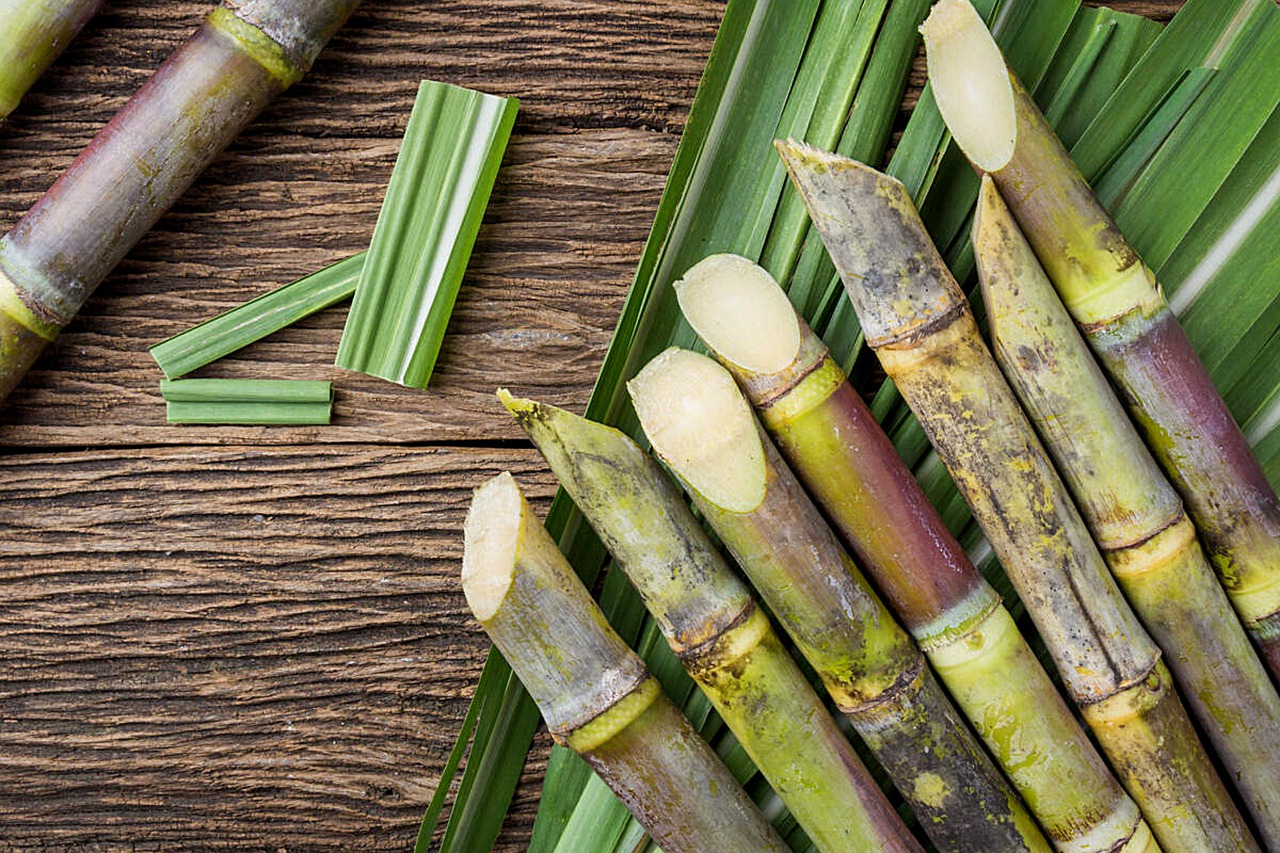
- Bagasse is the fibre that remains after the extraction of the sugar bearing juice from sugarcane
- It is completely biodegradable & compostable
- Some of the most common uses of bagasse are for pulp, feed, board, paper and fuel
- Bagasse is an economical and easily available material due to the widespread cultivation of sugarcane, lower energy and low bleaching chemical requirements for bagasse refining.
Very stable, sturdy, good thermal property - suitable for temperatures from -25°C to 220°C, water repellent, grease-proof making them suitable for hot and very oily/greasy dishes.
The secondary use for this waste product is in cogeneration providing a single source for production of heat and electricity, reducing the impact of global warming. It's use in bioethanol conserves resources.
Sugarcane bagasse produces pulp with properties that are suited for making writing papers and papers used in generic printing. It is also used for boxes and newspaper production.
Sugarcane fiber packaging is a sustainable and environmentally friendly alternative that is durable, microwave safe, insulating, and impervious to high temperatures.
In composting conditions, bagasse gets converted within 30-90 days to non toxic nutrient-rich manure.
Sugarcane fiber packaging is a sustainable and environmentally friendly alternative that is durable, microwave safe, insulating, and impervious to high temperatures.
In composting conditions, bagasse gets converted within 30-90 days to non toxic nutrient-rich manure.
Sugarcane bagasse is a viable substitute for plywood and is used to make boards similar to plywood and particleboard. Low density fiber boards made with bagasse are more cost effective than wood-based boards.
It is the primary material for pressed building boards as well as other construction materials and can be made into many bioplastics.
Bagasse is used as a source of cellulose for manufacturing animal feeds by mixing with enzymes and molasses and fermenting it.
It is the primary material for pressed building boards as well as other construction materials and can be made into many bioplastics.
Bagasse is used as a source of cellulose for manufacturing animal feeds by mixing with enzymes and molasses and fermenting it.