Banana Fibre
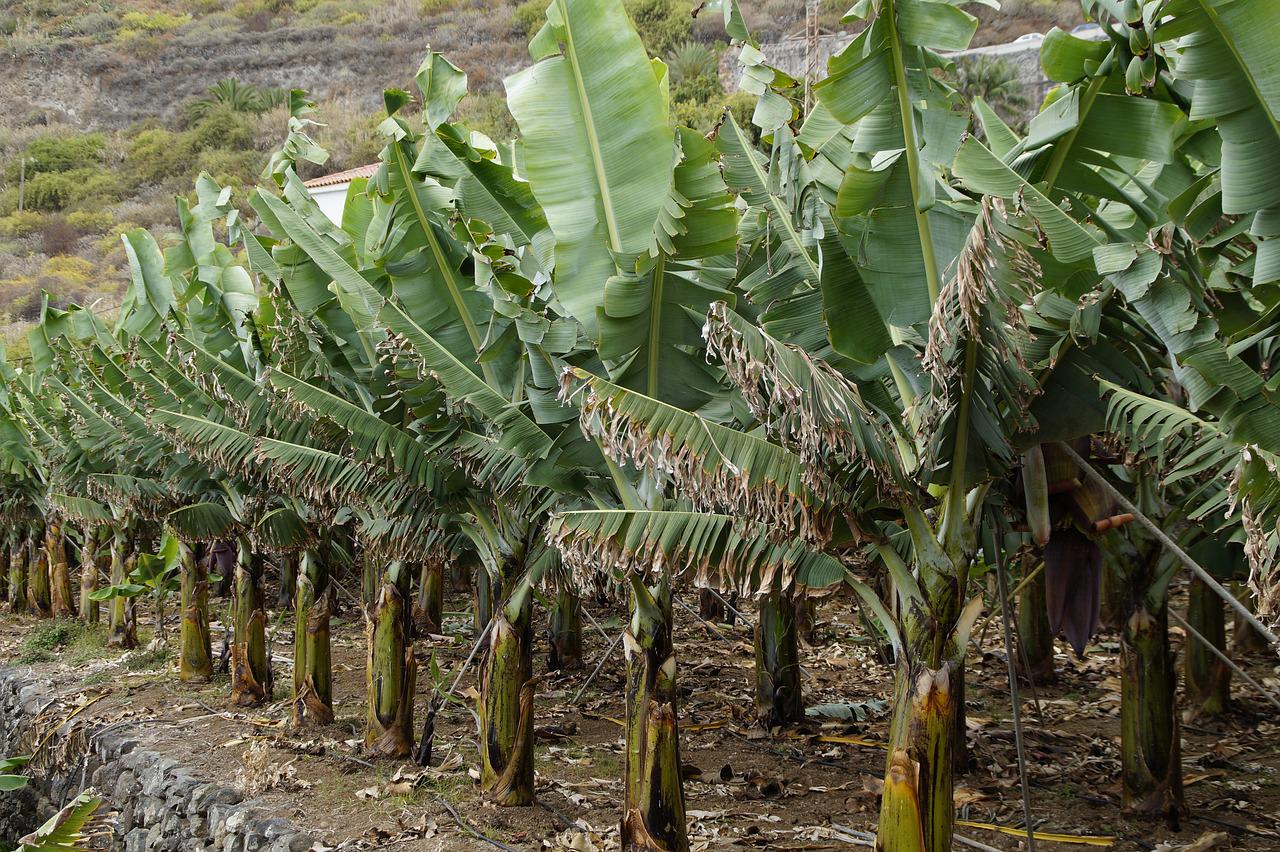
- Also known as Musa fibre, it is strong, natural and biodegradable extracted from the stems of banana plants, turning agricultural waste into sustainable materials for textiles, paper, ropes, mats and composite materials offering eco-friendly alternatives to synthetic products.
- Naturally water resistant, banana fibre is also very fire-resistant, tear-resistant and recyclable.
The fibre consists of thick-walled cell tissue, bonded together by natural gums.
Banana fibre is similar to natural bamboo fibre, but its spin ability, fineness and tensile strength are said to be better.
Banana fibre can be used to make a number of different textiles with different weights and thicknesses, based on what part of the banana stem the fibre was extracted from. The thicker, sturdier fibres are taken from the banana trees outer sheaths, whereas the inner sheaths result in softer fibres.
- The fibres are used by the paper industry to make tea bags, banknotes and decorative papers.
- It can be used to make handcrafts such as hats, bags, carpets, clothing and furniture.
- Fabrics made from banana fibres are soft and supple, as well as breathable and a natural sorbent. They tend to have a natural shine to them as well and are often compared to silk.
Bananatex® is the world’s first durable, technical fabric made purely from the naturally grown Abacá banana plants. As an open source project Bananatex® offers a circular alternative to the synthetic fabrics.
Bananatex® was developed by Swiss bag brand and material innovators QWSTION.
Banana textiles are sustainable as they use minimal water and energy to produce and they also do not require chemicals or fertilizers. They also do not need GMO seeds to grow, ensuring farmer's sustainability.