Seaweed
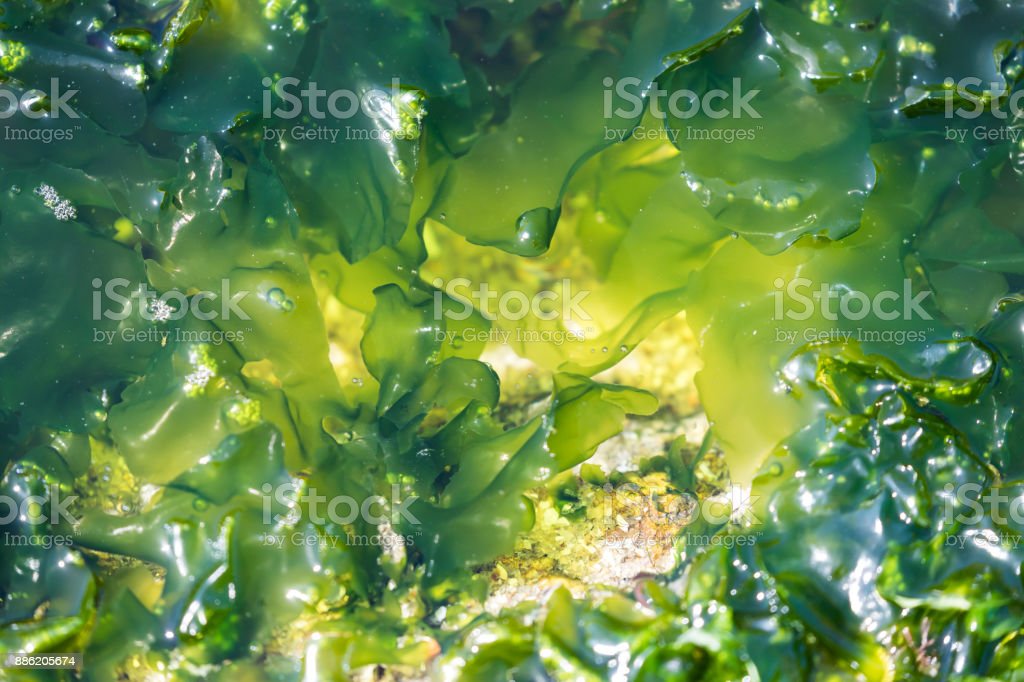
- Seaweed farming aids in minimizing the carbon dioxide, nitrogen and phosphorous emission in the environment.
- The seaweed industry provides a wide variety of products. Commercial uses of seaweed: fertilizer, cosmetics, food, building material, biofuel, bioplastic, animal feed additives, to name a few.
- Seaweed can be naturally growing (wild) seaweed or from cultivated (farmed) crops.
- Requires light and seawater/ brackish water. Grows within 45 days, can be harvested straight away and does not require any fertilizer.
- Can be converted to different forms - liquid, powder, flakes
Seaweed comprises high protein content (25-35% of dry weight), vitamins and mineral salts, especially iodine. Its vitamin C content is about 1.5 times that of oranges and 75% of the protein and carbohydrates are digestible by humans. With vitamins A, B and E found abundantly in seaweed, it becomes a strong source for the healthy development of the human body.
This is demonstrated in the at least six types of seaweeds in their daily diet.
Seaweed absorbs minerals and gases from the nutrient-filled ocean. Seaweed is a rich source of natural molecules for both nutritional and topical use. The extract can be used as therapeutic purposes or as an agent in preparation of products.
The consumption of seaweeds significantly aids in improving overall health. Many bioactive compounds can be obtained from seaweeds to treat vitamin deficiency and thyroid imbalance, goiter and other health-related problems. It is also used to make antibiotics and sterilizers.
There are studies on its medical potential for cartilage regeneration and wound healing.
There are studies on its medical potential for cartilage regeneration and wound healing.
Seaweed manure has been found superior to farm yard manure. It tends to increase resistance to disease and decay from soil and induces faster growth and yield in leafy and fleshy vegetables, fruits, orchards and horticultural plants. Manure from seaweed holds water and air at the same time and improves the soil quality with both those parameters. Seaweed also contributes the required potassium, sulphur, phosphorus and calcium.
Dried seaweed served as cattle food have enhanced the milk-yielding and egg-laying capacity of cattle and poultry respectively. Feeding seaweed can reduce methane emissions from cattle.
Seaweed is virtually non-inflammable and resistant to mould and it can be used as an insulating material without chemical additives.
Seaweed also generates oxygen, which benefits oxygen-poor dead zones. Nutrients such as ammonia, ammonium nitrate, nitrite, phosphate, iron, copper as well as CO2 are rapidly consumed by growing seaweed. Reefs and lakes are naturally filtered this way (seaweed is consumed by fish and invertebrates) and this filtering process is duplicated in artificial seaweed filters such as algae scrubbers.
Ocean afforestation is a proposal for farming seaweed for carbon removal. After harvesting, the seaweed decomposes into biogas, (60% methane and 40% carbon dioxide) in an anaerobic digester. The methane can be used as a biofuel, while the carbon dioxide can be stored to keep it from the atmosphere. Seaweed grows quickly and takes no space on land.