Sustainable Wood
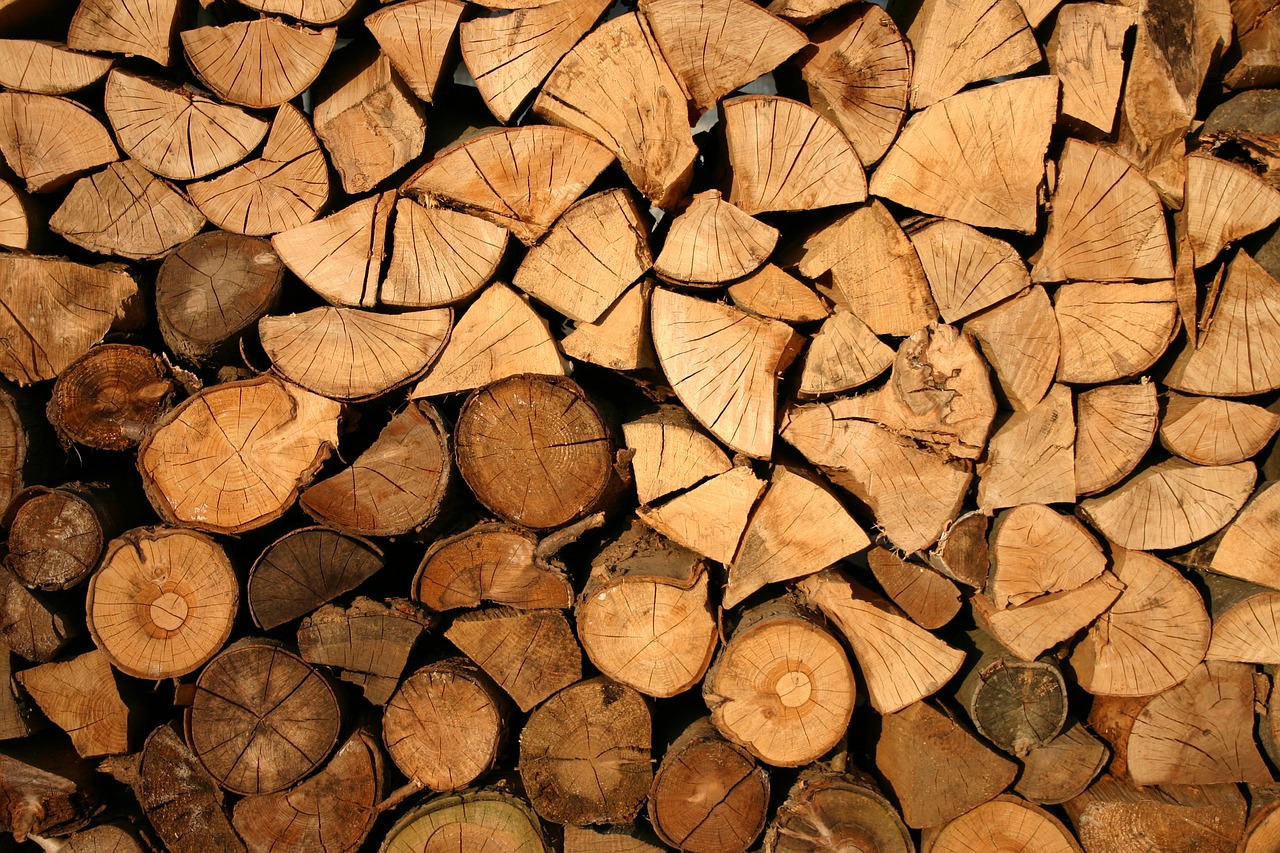
Wood is a hard, fibrous structural tissue found in the stems and roots of trees and other woody plants.
An organic material – a natural composite of cellulose fibers that are strong in tension and embedded in a matrix of lignin that resists compression.
Forest source certified wood is considered sustainable and renewable.
In rural areas wood is used as a fuel. Hardwood is preferred over softwood because it creates less smoke and burns longer.
Pulpwood is a wood that is raised specifically for use in making paper.
It is used as an important construction material for building shelters, houses and boats. It is extensively used for furniture such as chairs and beds.
It is also used for tool handles and cutlery, such as chopsticks, toothpicks, and other utensils, like the wooden spoon and pencil.
Further developments include new lignin glue applications, recyclable food packaging, rubber tire replacement applications, anti-bacterial medical agents and high strength fabrics or composites. It is also used as an artistic medium, in manufacturing of sports and recreational equipment.
It is a renewable resource with low carbon impact and low embodied energy. The amount of energy needed for producing wood products is much less than comparable products made from other materials.
Carbon in wood remains stored until the wood deteriorates or is burned.
Sustainable wood comes from sustainably managed forests with FSC/ PEFC certification. It’s renewable because the forest stewards manage the landscape to prevent damage to eco-systems, watersheds, wildlife and the trees themselves.