Soy Based Wood Binder
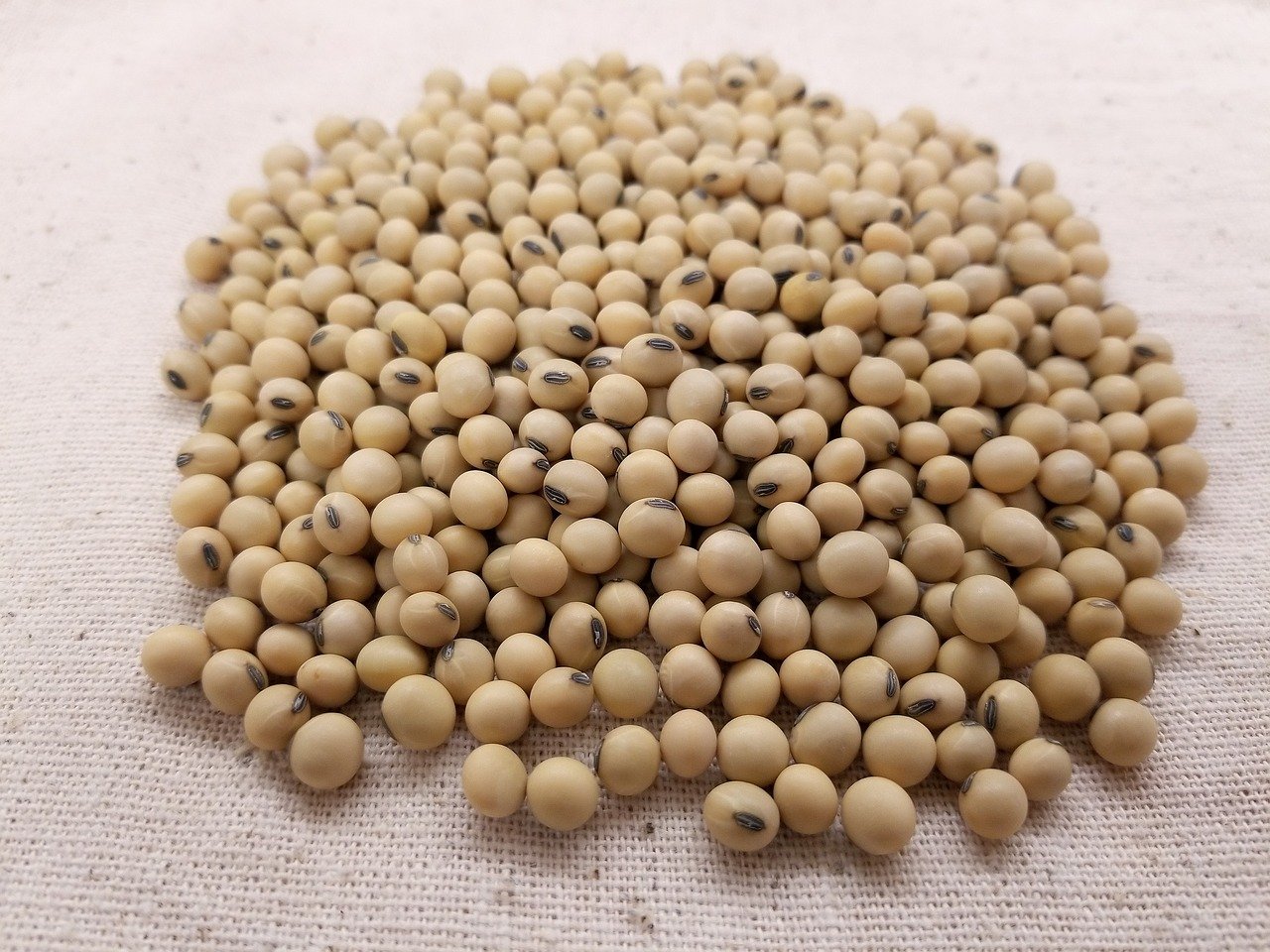
•Soy proteins are being developed as a binder to provide a renewable, plant-fiber-composite for particleboards and medium-density fiberboards.
•It is an ideal raw material for the manufacturing of wood adhesives due to its low cost, high protein content and easy processing.
•It is an ideal raw material for the manufacturing of wood adhesives due to its low cost, high protein content and easy processing.
It is used to fabricate formaldehyde-free plywood.
The major adhesive resins used for wood-composite panels contain phenol or urea, plus formaldehyde. Formaldehyde is made from fossil fuels and can be carcinogenic as well.
New soy adhesives promise both improved performance and economics to the wood products industry. They have also proved to be excellent alternatives to urea-based products for interior applications where legislation now restricts emissions of formaldehyde.
Soy adhesives perform very well in high-heat testing of structural engineered wood products like finger joints and I-beams but synthetic adhesives have an edge when water resistance is concerned.